Paver Patio & Walkway Installation in Arvada, CO
Patios, walkways & edging · base prep included · polymeric-sand joints
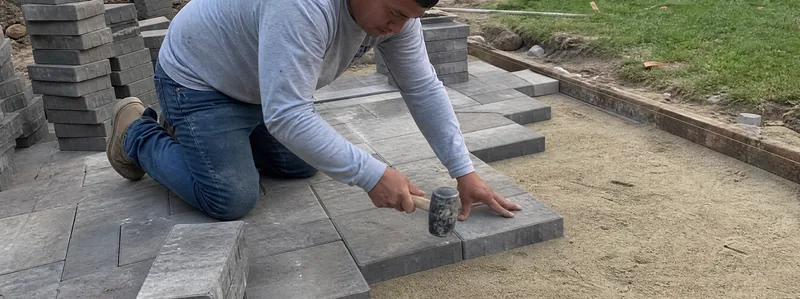
Dreaming of a patio for grilling season but stuck staring at bare dirt or a cracked old concrete slab? We install paver patios, walkways, and edging on a properly compacted base, which is the part that determines whether pavers stay flat for 20 years or start rocking loose within two.
What a Real Paver Base Looks Like
Excavate to depth, lay and compact a crushed-stone base, screed a bedding layer of sand, set the pavers tight, then lock the joints with polymeric sand. Skip the compaction step and pavers look fine on day one and start rocking loose within a season, which is the single most common complaint we hear about a competitor's prior job when we get called out to fix one.
A landscaper on Kipling called us three weeks before a September wedding reception needing a patio base compacted and pavers set before the tent crew arrived. Tight timeline, but base prep is the part that actually takes the time, and once that's right, setting pavers moves fast. We had it done with two days to spare.
Pavers vs. a Poured Patio: Cost Comparison
Pavers typically run somewhat more per square foot than a plain poured asphalt or concrete slab, because of the base prep and hand-setting labor involved, but individual pavers can be lifted and replaced if one cracks or settles, where a poured slab has to be broken out and repoured. For a patio where appearance matters as much as function, most homeowners find that worth the difference.
| Project | Typical Size | Price Range |
|---|---|---|
| Paver patio | 200 sq ft | $2,800 – $5,000 |
| Paver patio | 400 sq ft | $5,200 – $9,200 |
| Paver walkway | per sq ft | $14 – $22 / sq ft |
Paver Installation Questions
How long does a paver patio take from start to finish?
Most residential patios take 2 to 4 days depending on size and how much base prep is needed. Excavation and compaction usually take longer than actually setting the pavers, which goes fast once the base is ready.
Do pavers need to be sealed?
Not required, but sealing helps resist oil and rust stains and keeps the polymeric sand in the joints locked in place longer, especially with our freeze-thaw cycle working against it. We usually recommend sealing about a month after install, once the joint sand has fully cured.
Can pavers go over an existing concrete patio?
Sometimes. If the existing concrete slab is level, in good shape, and drainage still works properly, we can set pavers directly over it. If it's cracked, heaved, or holding water, that has to come out first, since building on a bad base just carries the same problem up into the new surface.
Related: many of our paver patio customers pair the project with driveway paving or a full cost comparison against asphalt.