Asphalt Resurfacing & Milling in Arvada, CO
$2 to $4 per sq ft · extends life 8-10 years · residential & commercial
Whole driveway or lot alligator-cracked instead of just a spot or two, but the base underneath still feels solid when you check it? Resurfacing at $2 to $4 per square foot is often the right call instead of a full, more expensive replacement.
How We Decide: Resurface or Replace
We walk the whole surface first, checking for soft spots underfoot, standing water after the last rain, and how deep the cracking actually runs. Alligator cracking that's confined to a specific area, usually where drainage was always a little off, can sometimes be cut out and patched rather than resurfacing the whole thing. Widespread, connected cracking across most of the surface with a sound base underneath is the textbook resurfacing candidate.
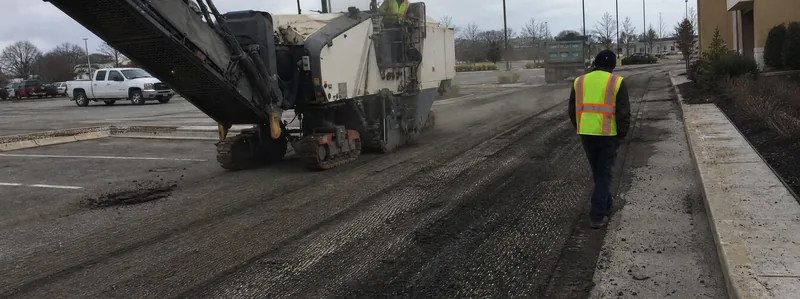
On larger jobs we mill the top layer off first, typically 1.5 to 2 inches, before laying new hot mix. That keeps drain grates, garage thresholds, and curb reveals at the height they were designed for. Skipping the mill step is faster and cheaper, but it raises the finished surface and can cause water to back up against thresholds it never used to reach.
DIY Overlay Kits vs. a Milled Overlay
Cold-mix overlay products sold for DIY use go on without heat and without proper compaction equipment, which means they don't bond the way a professionally installed hot-mix overlay does. They can buy a season or two on a lightly used surface, but they are not a substitute for a milled, compacted overlay on a driveway or lot that sees regular vehicle traffic.
| Scope | Price Range |
|---|---|
| Residential driveway overlay | $2 to $4 / sq ft |
| Commercial lot mill and overlay | $2.50 – $5 / sq ft |
| Full-depth reconstruction (base failed) | $4 to $8 / sq ft |
Resurfacing Questions
What's the actual difference between milling and just overlaying?
Milling grinds off the top layer of old, worn asphalt before new material goes down, which keeps the final surface height correct at curbs, drains, and garage thresholds. Overlaying without milling first just adds new asphalt on top of the old, which is faster and cheaper but raises the surface height and can cause drainage problems at edges over time.
How do I know if my driveway or lot is a candidate for resurfacing instead of replacement?
If cracking is limited to the surface and the base underneath is still solid, and there's no significant settling or pooling, resurfacing usually works and costs a fraction of full replacement. We test this by checking for soft spots and drainage issues on-site before quoting either option.
How long does a resurfaced driveway or lot last?
Typically another 8 to 10 years before the next resurfacing is needed, assuming routine sealcoating in between, per Denver-area climate wear data. Skipping sealcoating tends to shorten that window.
Related: if your base has already failed, see full driveway paving instead, or asphalt repair for isolated damage that doesn't need a full resurface.